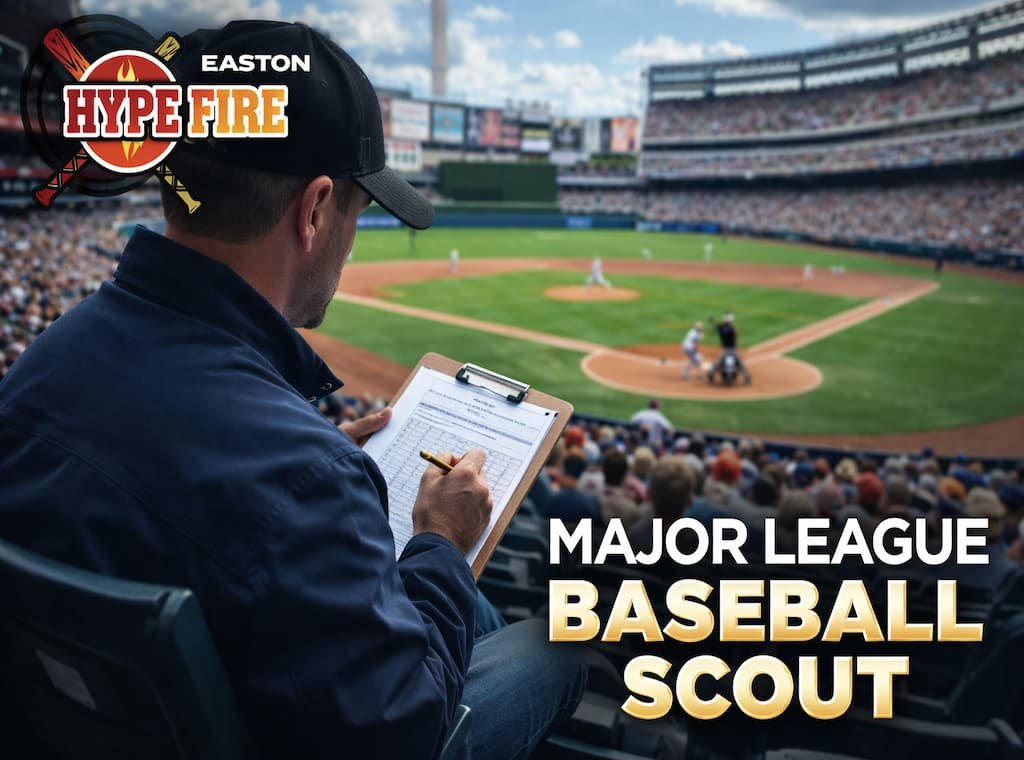
The sound of the bat, the cheers of the crowd, the excitement of finding the next big thing, a Major League Baseball (MLB) scout sounds like it would be an ideal job to the baseball obsessed individual. Unless you are hell bent on learning How To Become a MLB Baseball Scout, do be fully aware of the facts and expectations. The following guide describes the necessary path.
Understanding the Role: More Than Just Watching Games
An MLB scout is the eyes and ears of a professional baseball organization. Their core mission is talent evaluation – identifying players (amateur and professional) who have the potential to contribute to the big-league club. This involves far more than simply enjoying the game:
- Evaluation: Rating the tools (hitting, power, running, fielding and arm strength) and intangibles (makeup, work ethic, Baseball IQ, competitiveness) of players.
- Projection: Forecasting the way a player will evolve in his skills with time to take into account physical maturity, coaching and the level of competition.
- Reporting: Presenting detailed objective written and verbal reports in specific terminology and grading standards of the organization.
- Networking: Establishing rapport with coaches, players, and families and other scouts as sources of information and access.
- Travel: Heavy travel, usually across large geographic areas, during work nights, weekends and holidays as the season dictates.
Necessary Skills/Qualification
For anyone learning How To Become a Major League Baseball Scout, there is no one required degree, however, certain skills and experiences are most important:
- Deep Baseball Knowledge: This specialized knowledge is generally an insight into the game of baseball through the mechanics, strategies, history and player development. You should identify talent in not so obvious ways.
- Acute Scouting: The capability to analyze the swing of a player, mechanics of the pitching, a defensive play, and running style. It is essential to be objective; the personal biases should be deprived.
- Effective Interaction: It is imperative that writing effective reports is pertinent. Feasible verbal interaction to speak with front offices and players/families is also of importance.
- No Stop Work Ethics: Scouting is not a 9-5 job, you travel all over the place, a lot of the work is solo, and you have to put up with rejection (the players you root for may never be signed).
- Discretion and Integrity: Dealing with sensitive information and being able to build trust with the players, their families and your organization ethically.
- Tech Savviness: A facility with video analysis programs (such as TrackMan, Rapsodo, Synergy), databases, and scouting tools are becoming a necessity.
- Networking Skill: Developing authentic trust in the world of baseball unlocks doors and delivers key information.
- Driver License & No Vices: A large amount of driving is the norm and background checks are commonplace.
Building Your Foundation: Education and Experience
- Play the Game: While not strictly mandatory, playing experience, especially at the college level or higher, provides invaluable firsthand understanding of skills, competition, and player mentality. High school coaching can also offer relevant experience.
- Formal Education: A college degree (often in Sports Management, Kinesiology, Business, or a related field) is increasingly common and demonstrates commitment. Coursework in statistics, psychology, and communication is beneficial. Understanding analytics is now crucial.
- Start Scouting, Anywhere: Gain practical evaluation experience:
- Volunteer: Help local high school or college teams with evaluations.
- Independent Leagues: Scout for Frontier League, Atlantic League, or other independent teams. They often seek evaluators.
- Scouting Services: Work for companies like Perfect Game, Prep Baseball Report, or others that cover high school and travel ball. This provides massive exposure to players and builds evaluation reps.
- Internships: Seek scouting or baseball operations internships with MLB teams (highly competitive) or minor league affiliates.
Breaking Into the Professional Ranks
The process of How To Become a Major League Baseball Scout is difficult, and this is the hardest step. Persistence and networking are key:
- Network Relentlessly: Attend baseball conventions (like the Winter Meetings), showcases, and clinics. Connect respectfully with current scouts, front office personnel, and coaches. Let them know your aspirations and seek advice, not just a job.
- Start at the Bottom: Most enter as Area Scouts (also known as Part-Time Scouts). These are often seasonal or contract positions covering a specific region (e.g., a few states). Pay is typically modest (often starting around $30k-$50k), and you cover your own expenses initially. This is the proving ground.
- Excel in Your Role: Deliver exceptional, detailed reports. Be reliable, punctual, and proactive. Build trust within your assigned territory. Show initiative and a willingness to learn the organization’s specific methods.
- Leverage Technology: Demonstrate proficiency in using video and data analysis tools in your reports. Show you can blend traditional scouting with modern analytics.
- Be Patient and Persistent: Full-time positions are scarce. It takes years of proving your worth as an Area Scout before potentially moving to a Crosschecker role (evaluating players identified by Area Scouts across regions) or a National Scout role. Specialization (e.g., pitching scout, international scout) may come later.
The Realities of the Job
A crucial part of understanding How To Become a Major League Baseball Scout is accepting the realities of the job:
- Long Hours & Travel: Be prepared for a demanding lifestyle, especially during the spring (high school/college season) and summer (prospect leagues).
- Financial Sacrifice: Entry-level scouting positions, particularly part-time/area roles, often pay less than many expect, especially considering the hours and travel costs. Financial stability can take time.
- Competition: It’s an incredibly competitive field with limited openings. Many aspiring scouts never land a full-time MLB role.
- Subjectivity & Pressure: Your evaluations directly impact draft picks and signings, carrying significant weight and pressure. You’ll have misses; it’s part of the job.
The Future of Scouting
It is a fast changing position. Although the previously described traditional eyes-on evaluation still forms the core of the work, MLB scouts have become data integrators. They need to combine the results of their observations with sophisticated metrics, biomechanical data and video analysis.
Effective scouts do not think of this as mutually exclusive, but rather as a hybrid combination of technology to supplement their basic evaluation skills, not substitute it. Learning about such terms as spin rate, exit velocity, launch angle, and defensive stats nowadays is crucial knowledge when it comes to determining How To Become a MLB Baseball Scout successfully in the new era.
Is This a Path for You?
As Learning How To Become a MLB Baseball Scout shows, it is a career of deep passion, scouting encyclopedic knowledge, keen eyes and sheer resilience. It is no movie-star path to the majors, no shiny dispenser of large paychecks; it is a demanding occupation that demands sacrifice, constant education and is an occupation where difficult decisions must be drawn on call.
Begin developing your knowledge, network now, get hands-on evaluation experience as early and where you can, love technology and get ready to join an earth-shaking, yet potentially mind-blowingly rewarding path into the belly of the talent scouting maze that is professional baseball. It takes time to be a successful scout but to the investigator with the greatest commitment, the discovery of that future major leaguer makes the process all the more fulfilling.